
Location
The course lessons are delivered at the campus of Bari and, for the P.Techpathway, in Taranto.

THE BACHELOR'S DEGREES OF POLIBA
THE BACHELOR'S DEGREES OF POLIBA
The Bachelor's Degree Course and Computer Engineering and Automation Engineering – Polytechnic University of Bari studies the areas: “Software Engineering”, “Operating Systems”, “Databases and Information Systems”, “Distributed and Web-based Applications” and “Automation”.
The Degree Course in Degree in Computer Engineering and Automation Engineering aims to train qualified technical personnel in the fields of Computer Science and Automation with a high-level university education, suitable both for effective and immediate entry into the world of work and for further study at higher levels.
The degree programme and Computer Engineering and Automation Engineering aims to train engineers with a solid cultural background, capable of developing and using ICT methods and tools according to a typically engineering approach, to address issues common to the worlds of computer science and automation across a very broad range of applications.


The degree programme P-TECH (Pathways in Technology Early College High School) takes place exclusively at the Tarantocampus, in collaboration with IBM – promoting partner (and creator) of this course.
P-TECH originated in the United States with the aim of connecting high school to the world of work. It is characterized by 6 years of education: the pathway, in fact, begins in the third year of high school and includes thematic seminars and workshops, as well as afternoon in-depth lessons. The three years of the school pathway allow students to acquire up to a maximum of 24 CFU, which accelerate the university pathway. At the end of the three years, students enroll in the three-year degree course in Computer Engineering and Automation Engineering at the Polytechnic University of Bari.
It is possible to enroll in P-TECH even if the three-year school pathway has not been completed.
From A.Y. 2025-26, first-year students of the P-TECH Course (Taranto campus) will attend classes at the Mariscuola campus, while second- and third-year students will continue to attend classes at the Paolo VI campus.

THE BACHELOR'S DEGREES OF POLIBA
The degree course includes educational activities distributed in a balanced way among the core disciplines, such as:
Software engineering, operating systems, databases and information systems, distributed and Web-based applications, and automation are, therefore, the core subjects of theComputer Engineering and Automation Engineering.
I active curricula are:
EMPLOYMENT OUTCOMES
In practice, the cultural profiles that the degree course in Computer Engineering and Automation Engineering allow to build are currently among the most in demand on the job market. Since a significant aptitude for research and development is required, the graduate must possess a broad cultural background and have the ability to address new problems as well as more traditional situations through established technologies.
As regards the core disciplines, it is important to have acquired not only the skills ofComputer Science, but also the typical aspects ofAutomation. To provide adequate experience in the use of IT tools, an appropriate number of educational credits to be earned in the laboratory and through project activities is envisaged.
The graduates' professional skills are suited to the following main career opportunities:
Graduates in Computer Engineering, after passing theState Examination, may register with theRegister of the Order of Engineers, with the title of Junior Engineer.


THE BACHELOR'S DEGREES OF POLIBA
Subject to evaluation of the educational curriculum, the graduate in Computer Engineering and Automation Engineering may continue their studies in the master's degree courses in Computer Engineering or in Automation Engineering. Admission always being subject to evaluation of the course of study curriculum, the graduate may also orient themselves towards other master's degree courses or First-level University Master's programs.
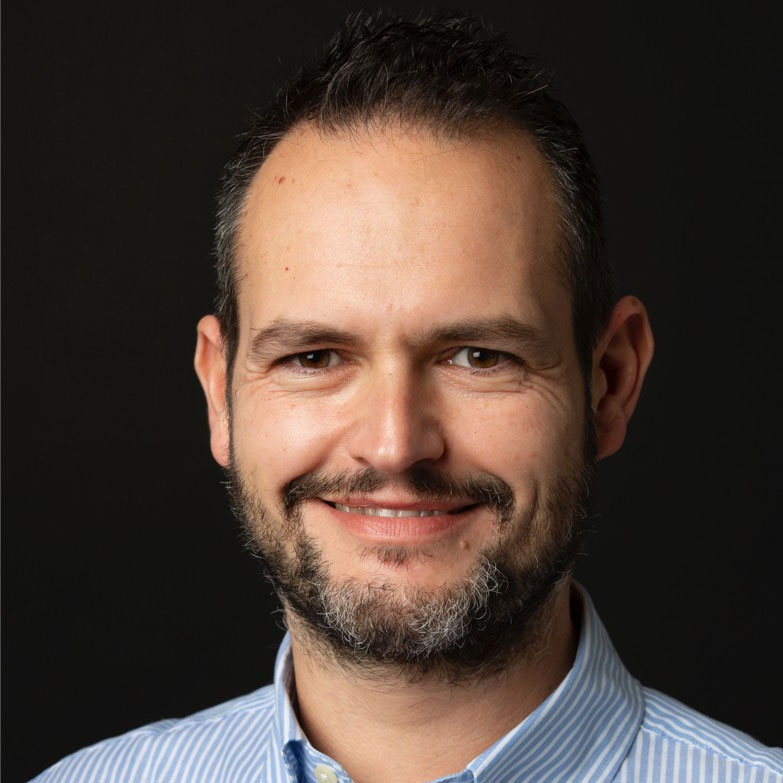
Coordinator of the Degree Course

Service of the Polytechnic of Bari
THE BACHELOR'S DEGREES OF POLIBA
